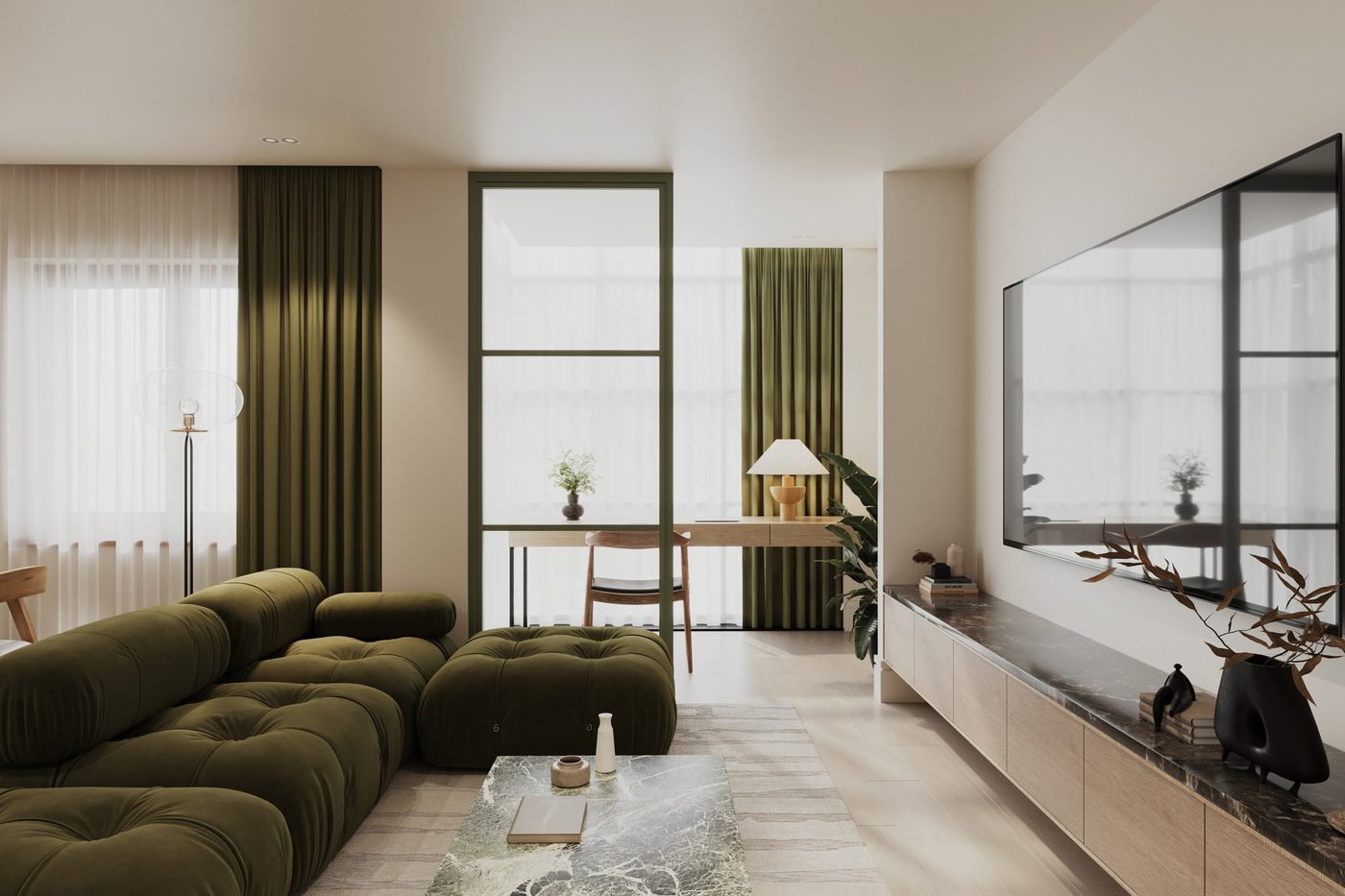
When I look back at ten years advising residential developers on development strategy and value creation, the clearest pattern emerges around one thing: floorplan optimisation as the biggest lever of value. With a compromised layout that repeats across ten units or ten floors, so does the lost value.
This is where spatial planning separates developments that sell or rent from those that sit on the market. It’s also where the expertise of an interior designer, alongside the client and the architect, makes a real difference. As development strategists, we bring a lens dedicated purely to how people actually live in these spaces and what will be that trigger to make a buy or rent decision — and how to make every square foot work harder.
How we approach spatial planning
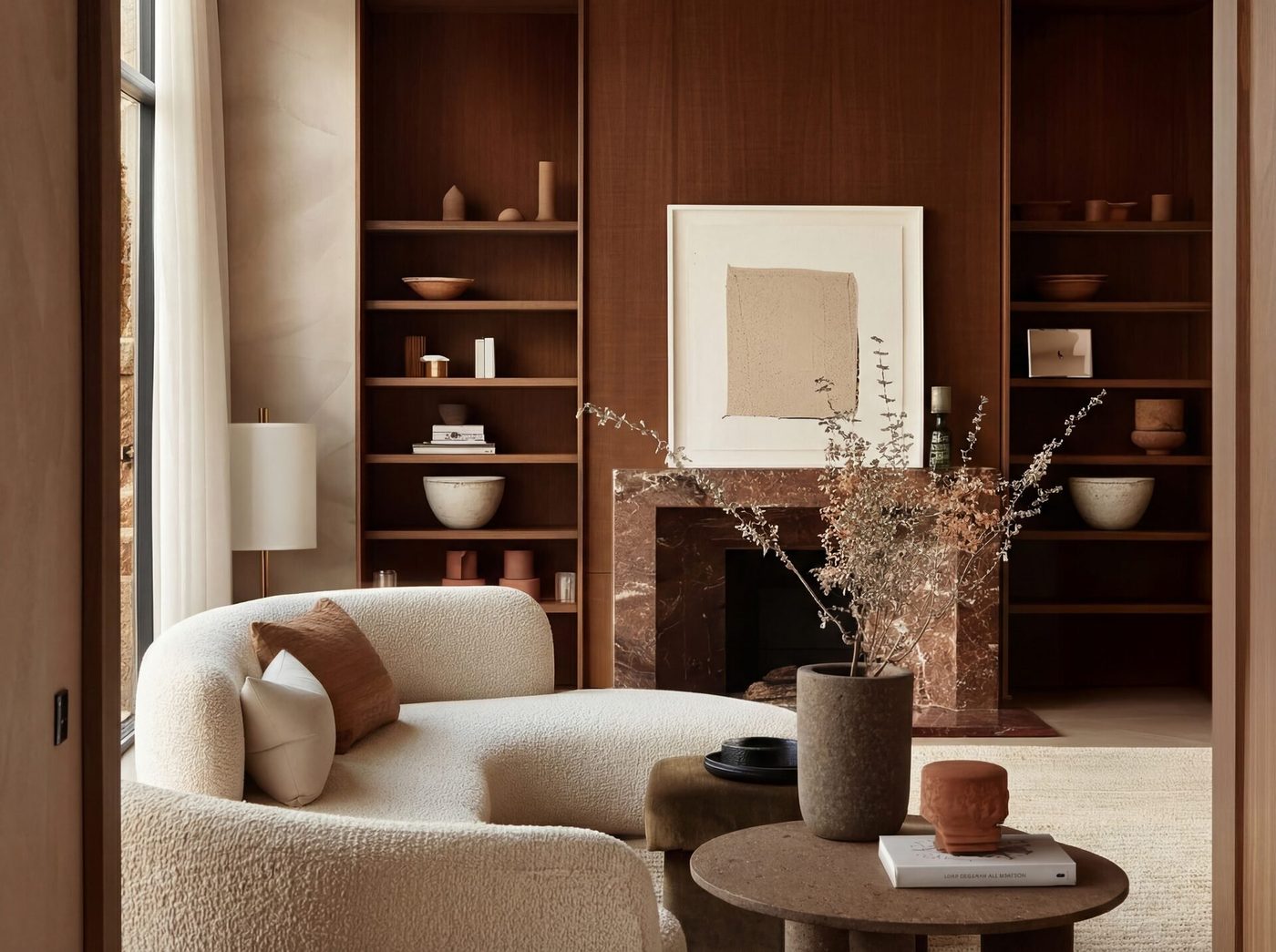
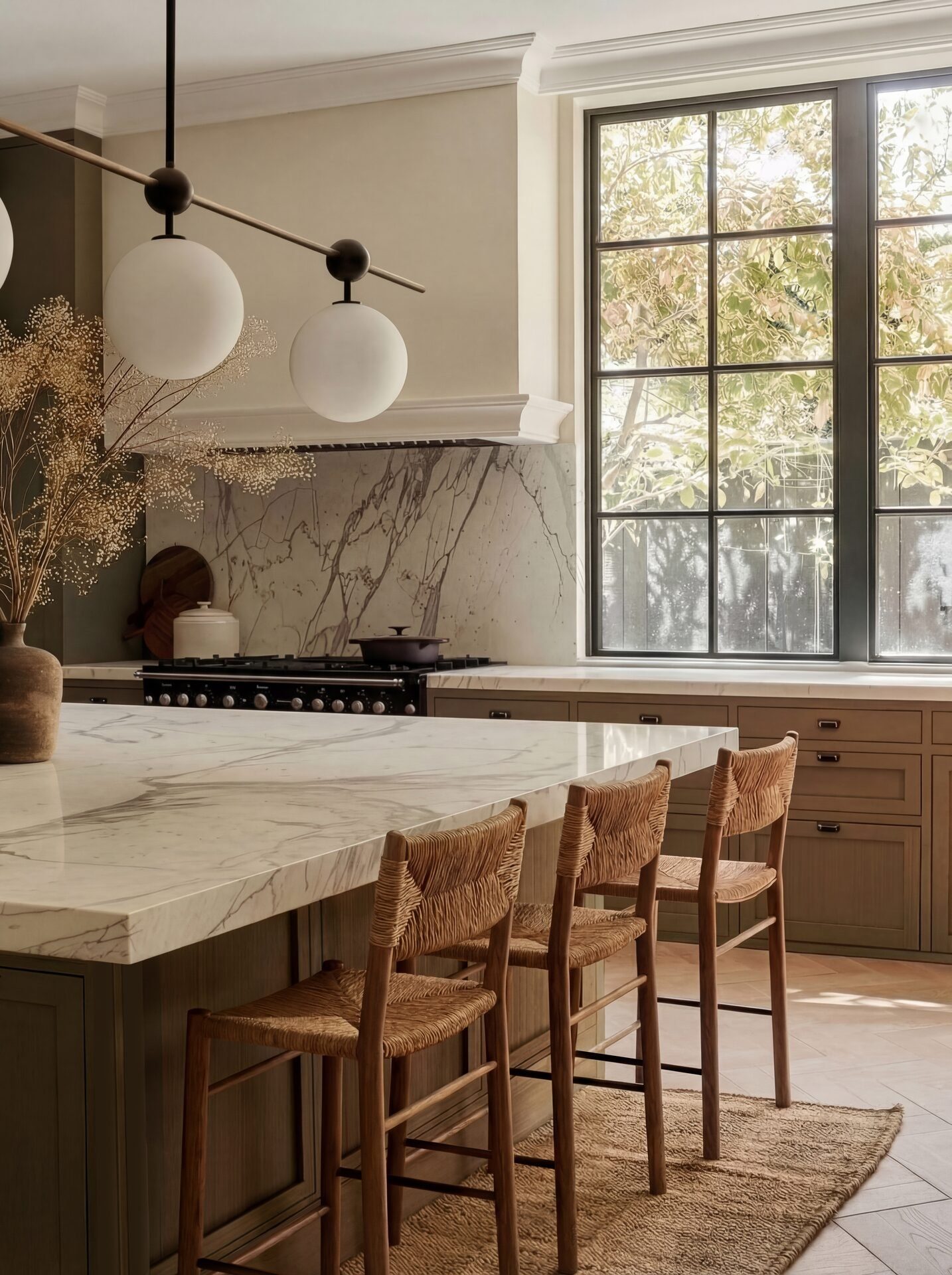
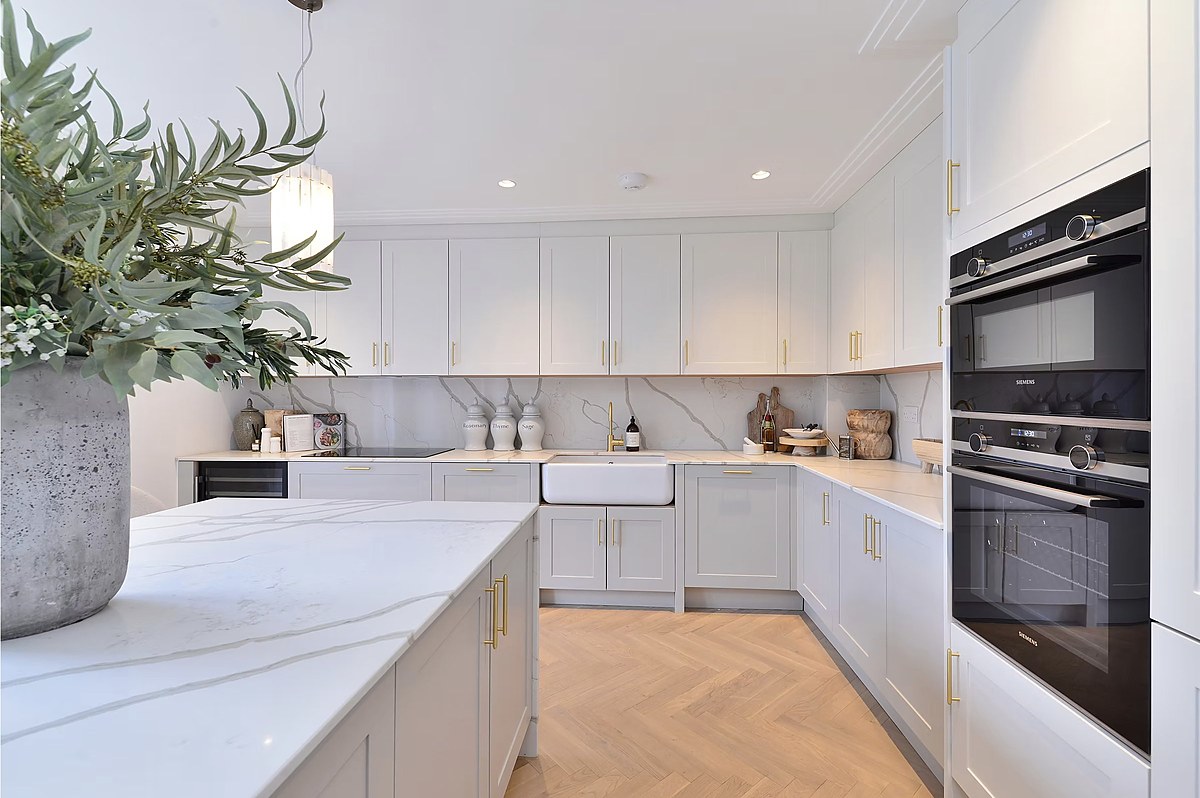
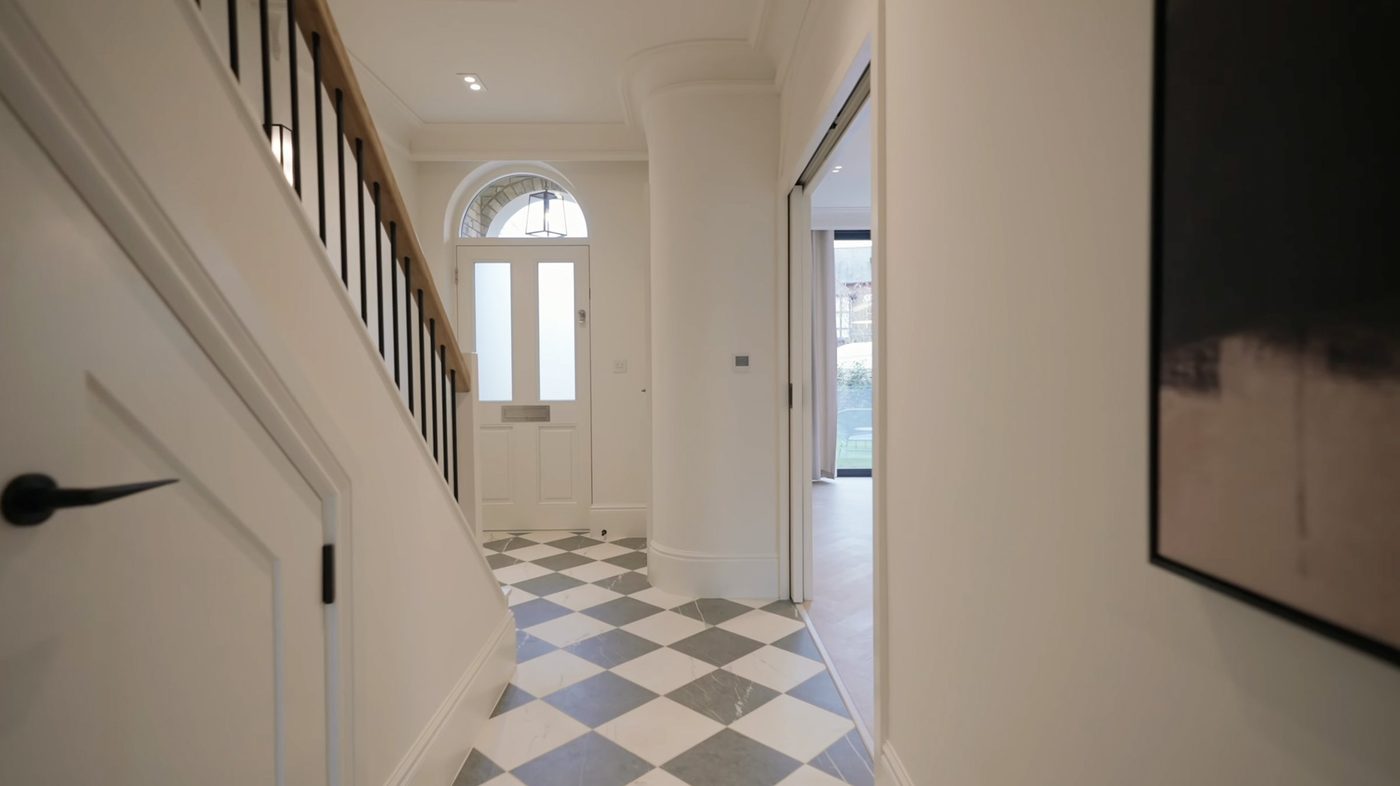
At Ademchic, we refine floor plans to create homes that feel more spacious and liveable without increasing floor area. We look at smarter circulation spaces and improved natural light across key living areas. We put real attention into creating integrated storage solutions and layouts designed for flexibility — whether for families, renters, or sharers. We think about furniture placement and sufficient clearances within kitchens, bathrooms, and hallways. And we always look for ways to create a wow factor — statement entrances, en suites, smart study corners, or utility rooms that raise the overall living standard.
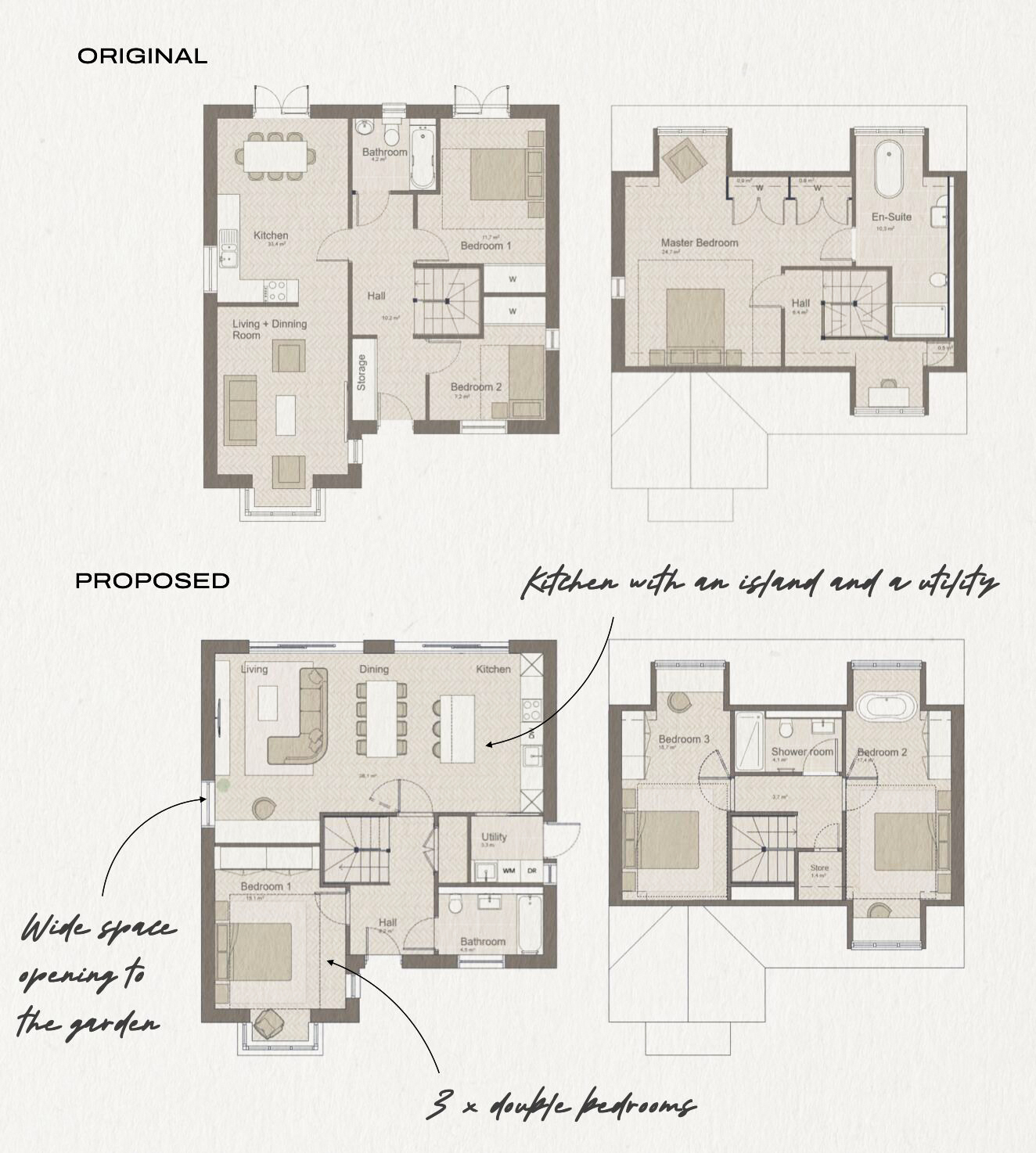
Here’s what that looks like in practice. On a recent three-bedroom house, the original layout split the ground floor into two narrow living spaces with a kitchen that had no island and no utility. Only two bedrooms fit a double bed. We reorganised both floors, changing the position of the staircase — the plan now included a large open-plan living area opening onto the garden, a separate utility, a kitchen with an island and double bedroom and bathroom on the ground floor, and two proper double bedrooms upstairs. The footprint didn’t change. What the developer could offer future occupiers did.
A BTR apartment, reimagined
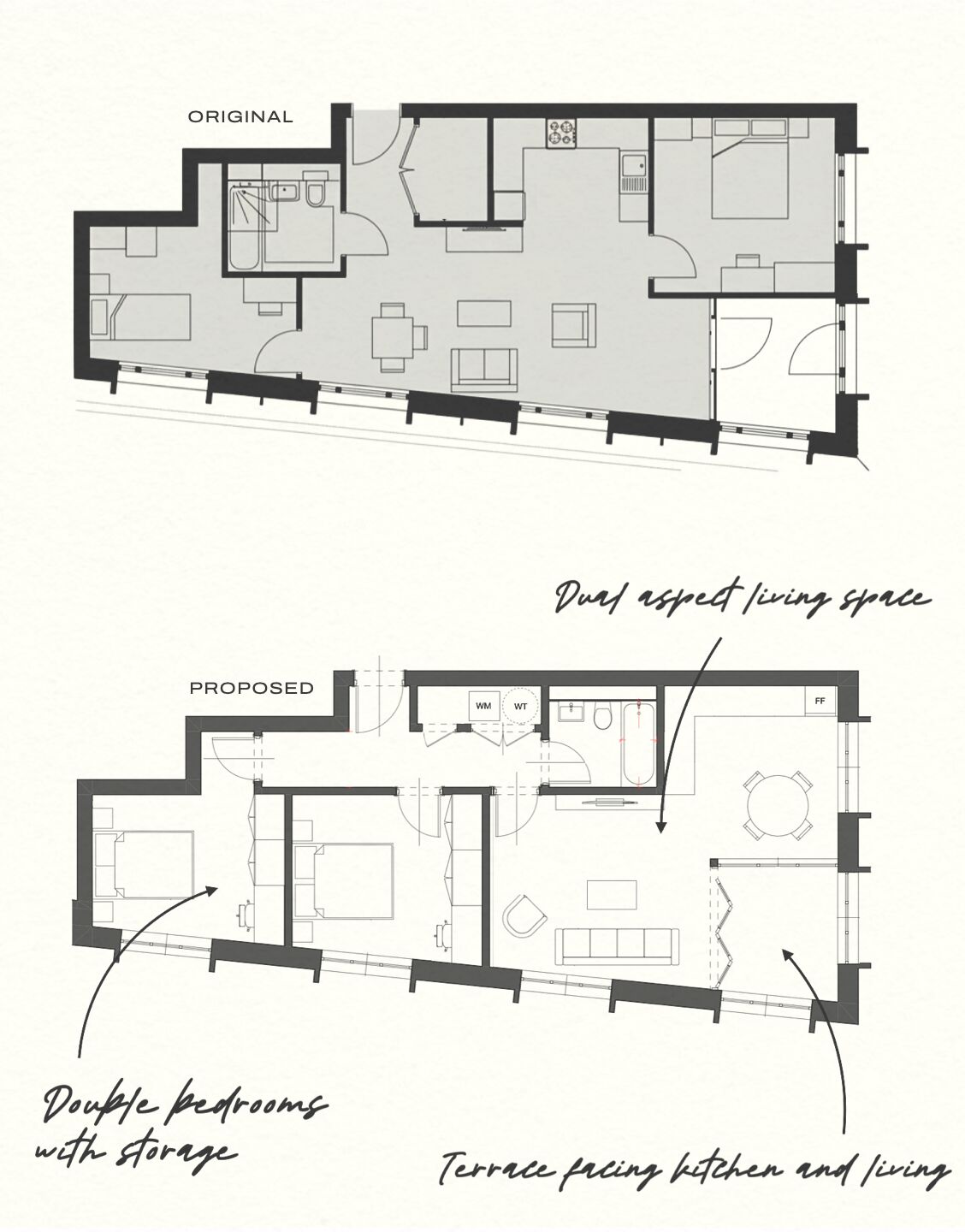
Whether your project is a buy-to-sell or a BTR, the same value-add principles apply. What we see a fair amount of the time in BTR is the so-called “dumbbell layout”: two bedrooms on either side of a central corridor. On paper it looks efficient, but in reality, any noise pollution or activity in the middle disturbs both bedrooms simultaneously, and it simply doesn’t work for sharers.
In the example below, we repositioned the layout entirely. Two double bedrooms at one end, a proper storage corridor, then the living space anchored by dual-aspect windows. This was achieved without changing the building footprint or the unit size. The two bedrooms — now both doubles — accommodate proper beds with real privacy and great storage. The living area has light and breathing room, and sharers don’t feel like they’re living in each other’s space.
Why this matters
Optimising layouts creates immense value and reflects how people actually live — whether they’re buying or renting. Storage that works, living space that breathes, bedrooms that function as proper bedrooms.
Buyers and tenants sense this before specification even enters the conversation. They walk through a well-planned unit and think, I could live here.
If you’d like to explore how spatial planning, specification, and branding could add value to your next project, I’m offering five complimentary design consultations (each worth £600) before the end of March. Book your slot →