Most developers treat interior design as decoration. Interior architecture — spatial planning, layout optimisation, and proportion — is where real commercial value lives. Here’s why it matters.
Most developers think of interior design as the finishing touch — the aesthetics that make a space feel premium. You pick your palette, source your materials, style the show home, and call it done.
But that’s only half the picture. Interior architecture — the strategic reconfiguration of space, layout, flow, and proportion — is where real commercial value lives. And most developers aren’t thinking about it until it’s too late.

The Problem With Treating Interiors as Decoration
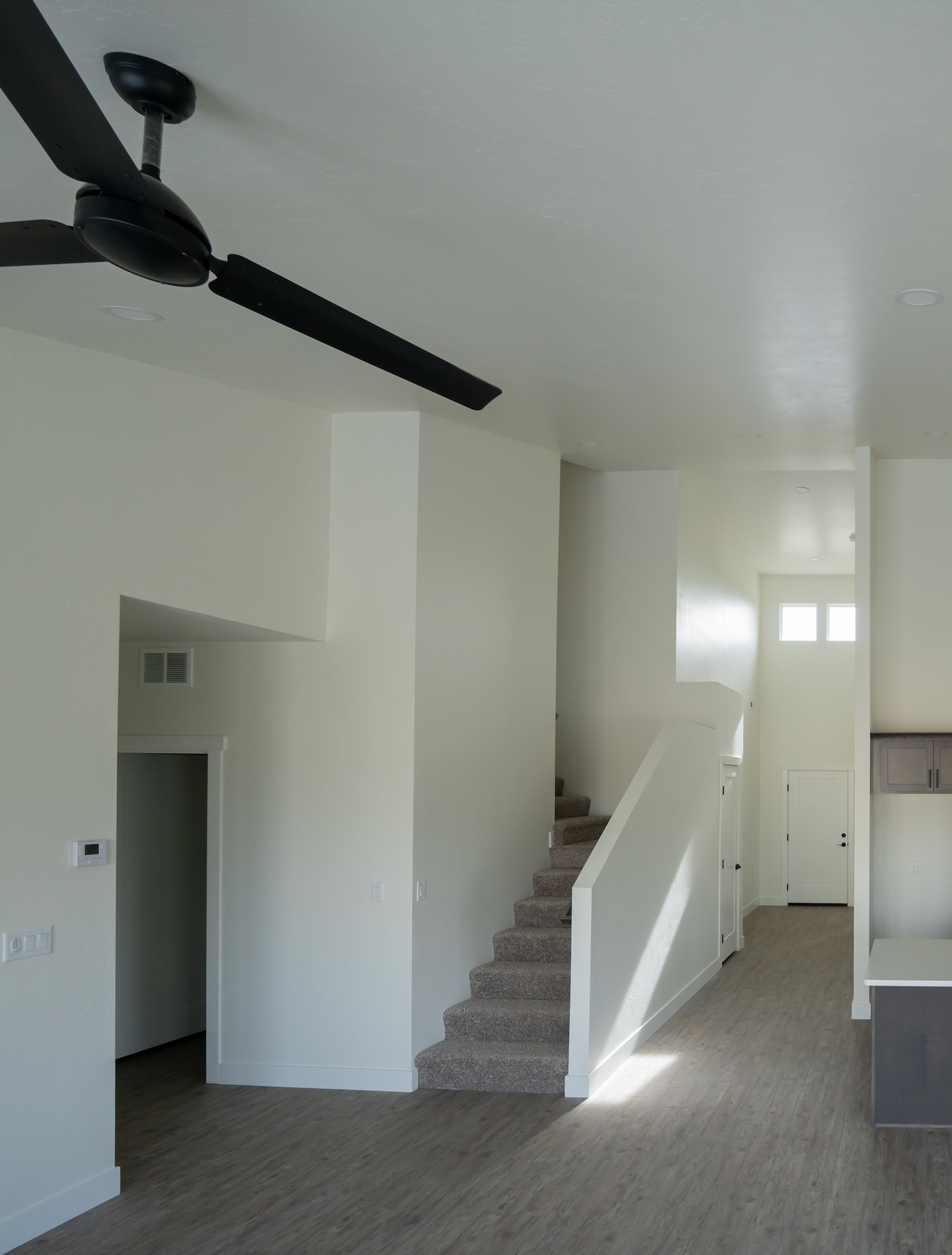
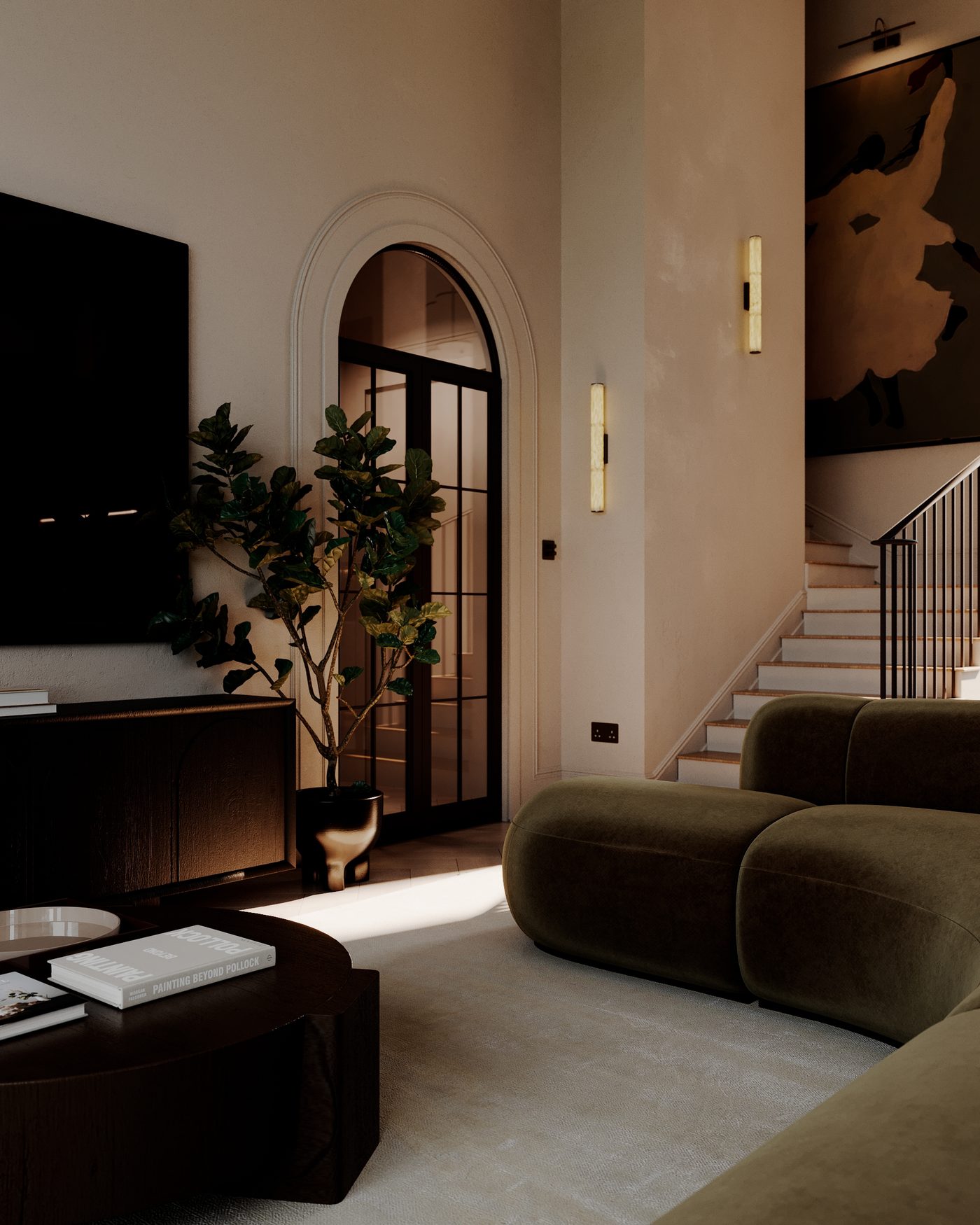
Here’s what happens on most schemes: architects design the shell. Developers lock the drawings. Then an interior designer comes in to make it look nice. But by then, the spatial decisions are baked in. A poorly proportioned living room doesn’t sell faster, no matter how expensive the finishes are. A kitchen that doesn’t work kills buyer perception in seconds. A bedroom that feels cramped tanks price per square foot.
These aren’t aesthetic problems. They’re architectural problems that demand architectural thinking… early on.
Interior Architecture Changes the Math
When you bring in an interior designer early — before construction drawings are locked — you can reclaim wasted space, improve unit mix, and create homes that feel bigger and more valuable than what they’d otherwise be. That’s commercial strategy in action.
The developers we work with see it immediately. Better layouts mean higher GDV, faster sales, fewer voids, and units that command premium prices. Better reviews from tenants and buyers.


It’s Not a Nice-to-Have. It’s a Profit Driver.
Interior architecture isn’t a luxury add-on for schemes chasing premium positioning. It’s a fundamental lever that impacts your bottom line — whether you’re building BTR, apartment schemes, or mixed-use residential.
The question isn’t whether you can afford to involve an interior designer. It’s whether you can afford not to.