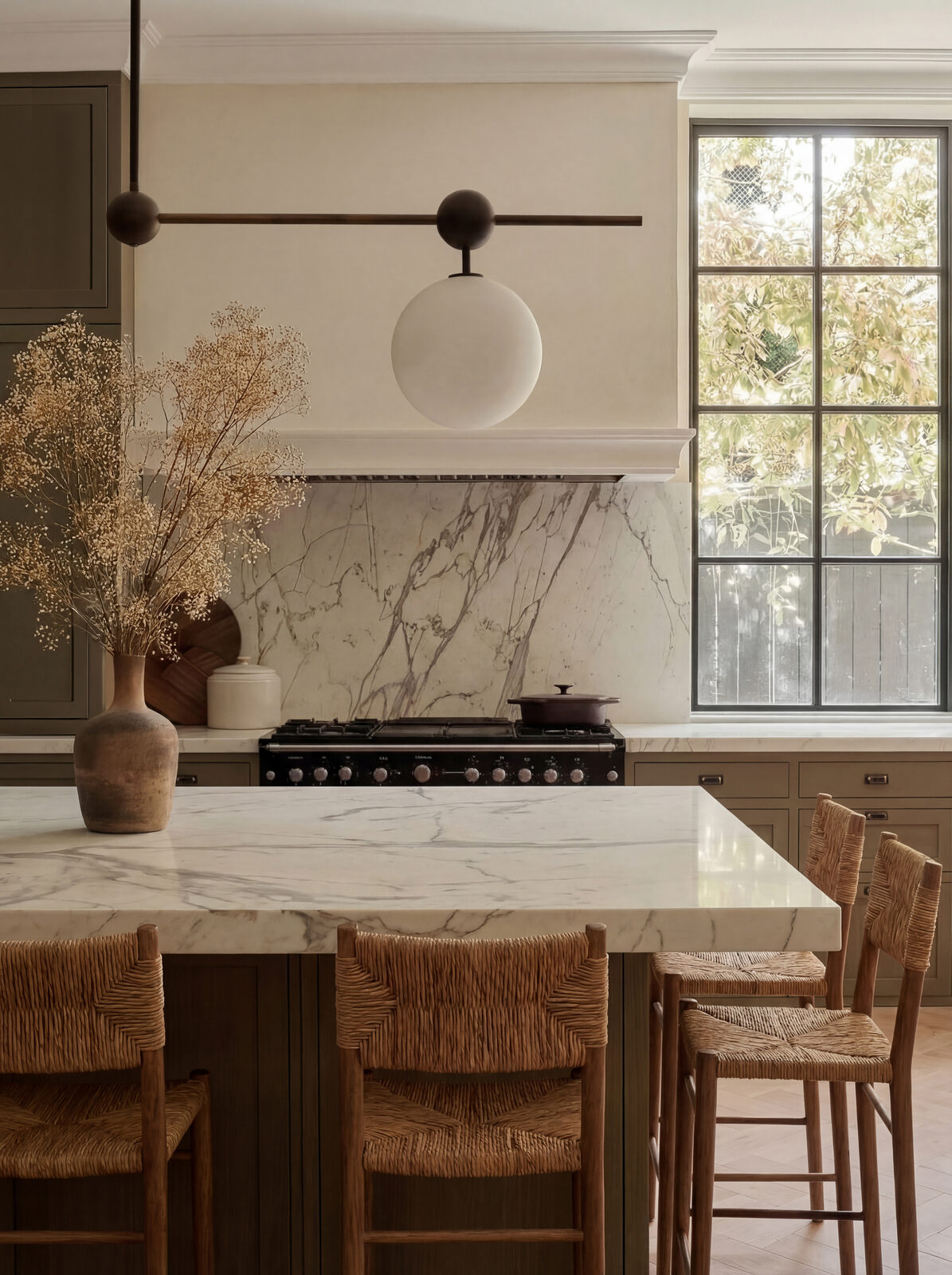
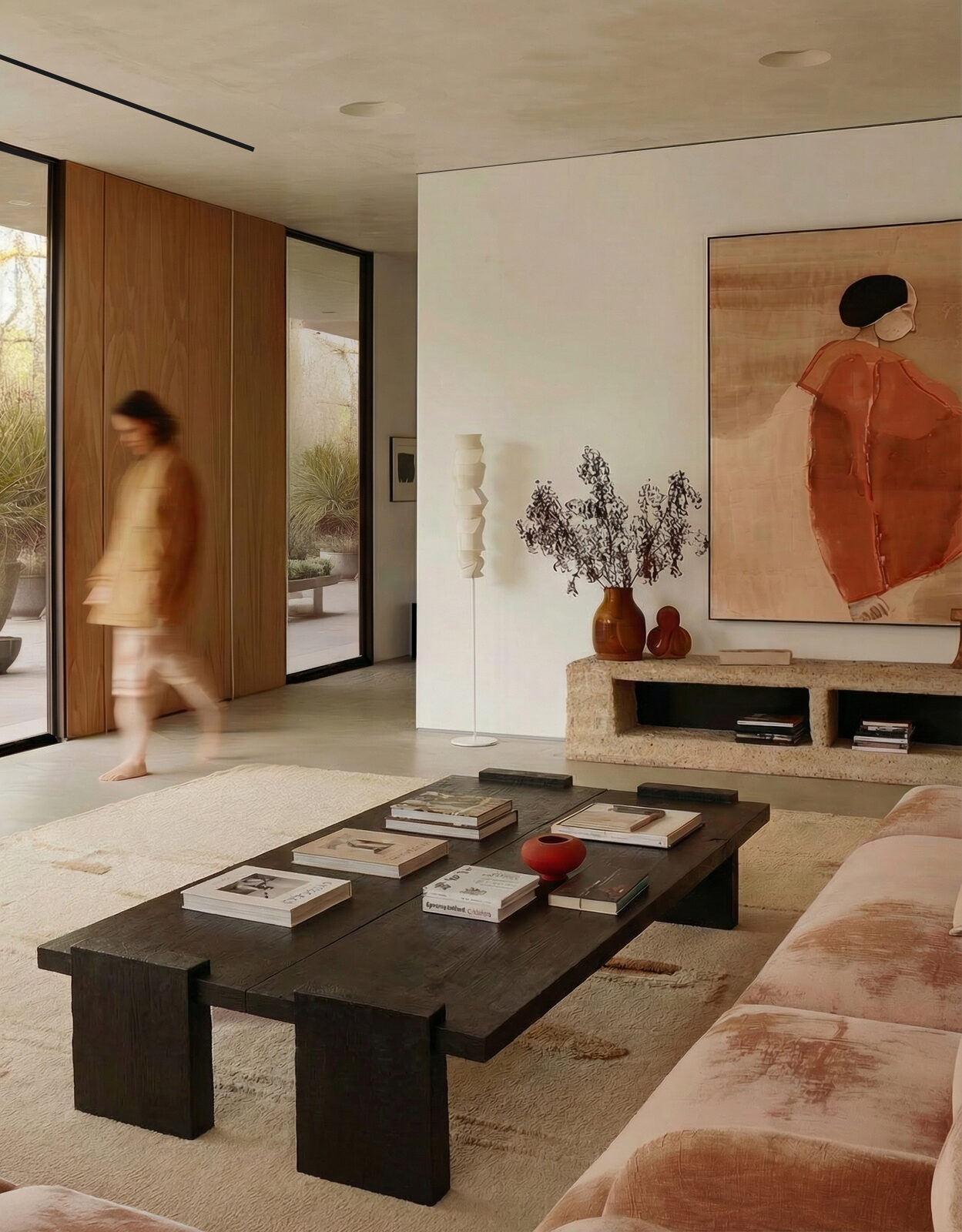
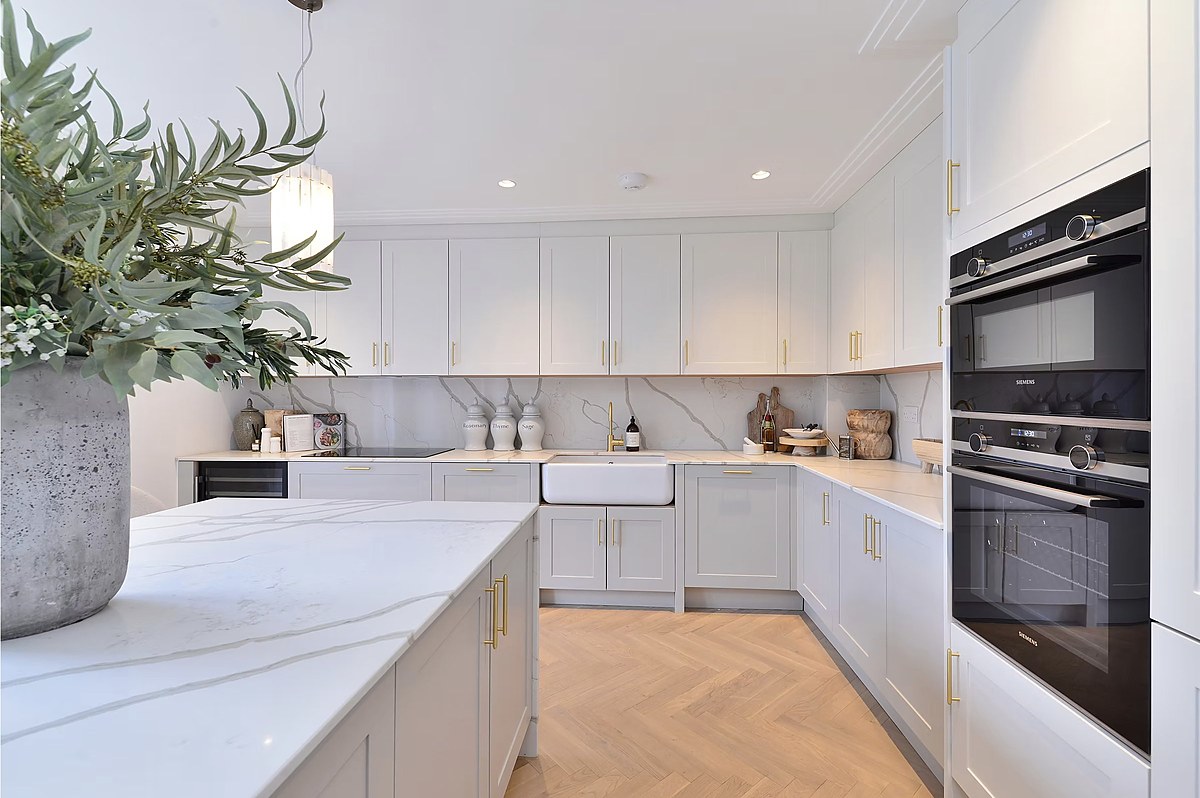
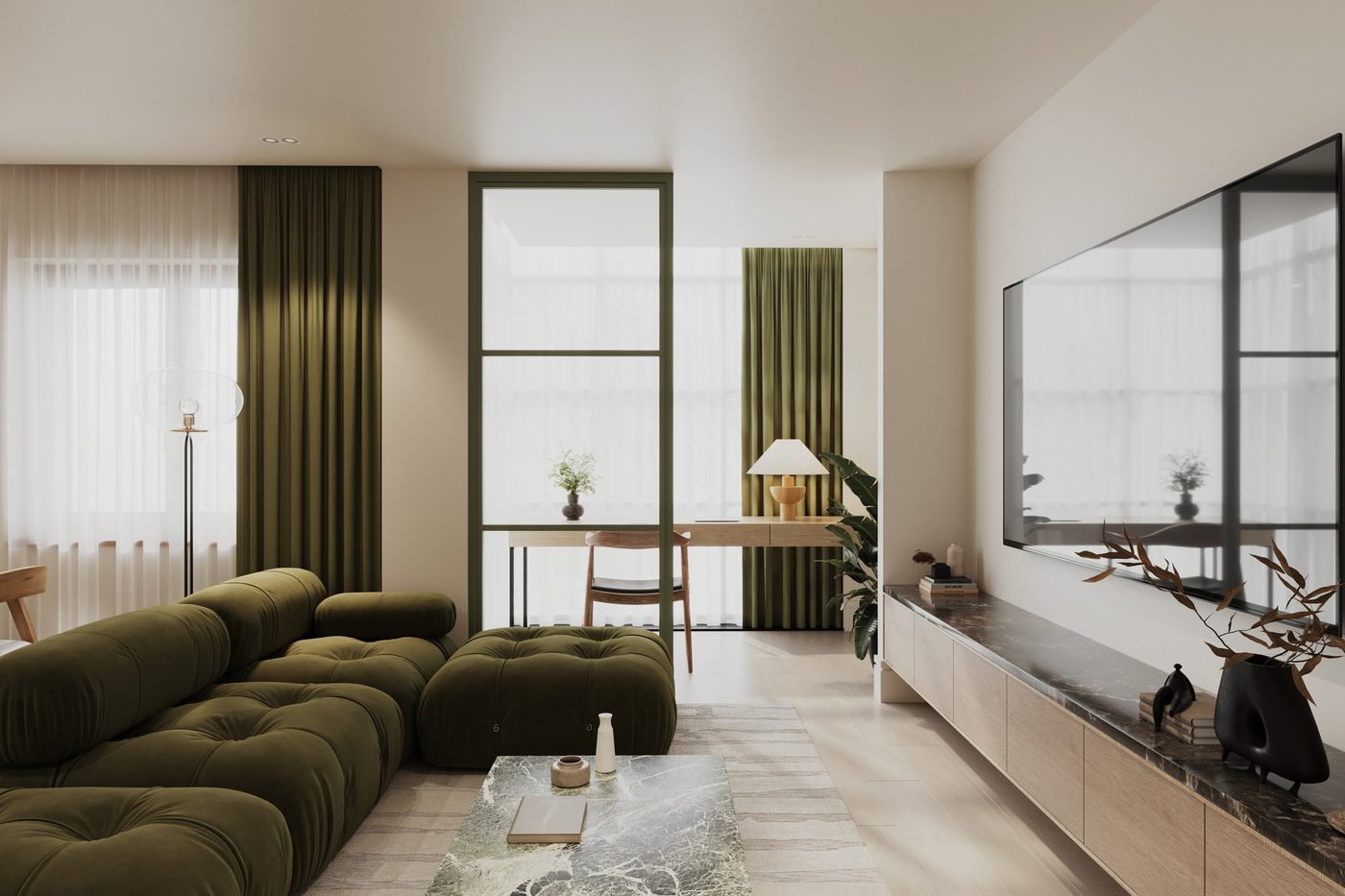
Most developers think of specification as a cost line. Something to manage, value-engineer, and keep under control. But when specification is considered strategically — built on top of a layout that already works — it becomes one of the most effective commercial tools available. Not about spending more, but about spending where the return is highest.
Spatial planning creates the foundation — but specification is what buyers and tenants actually see. It’s the layer that amplifies what was done at the spatial planning stage, and it’s where perceived value is either captured or left on the table.
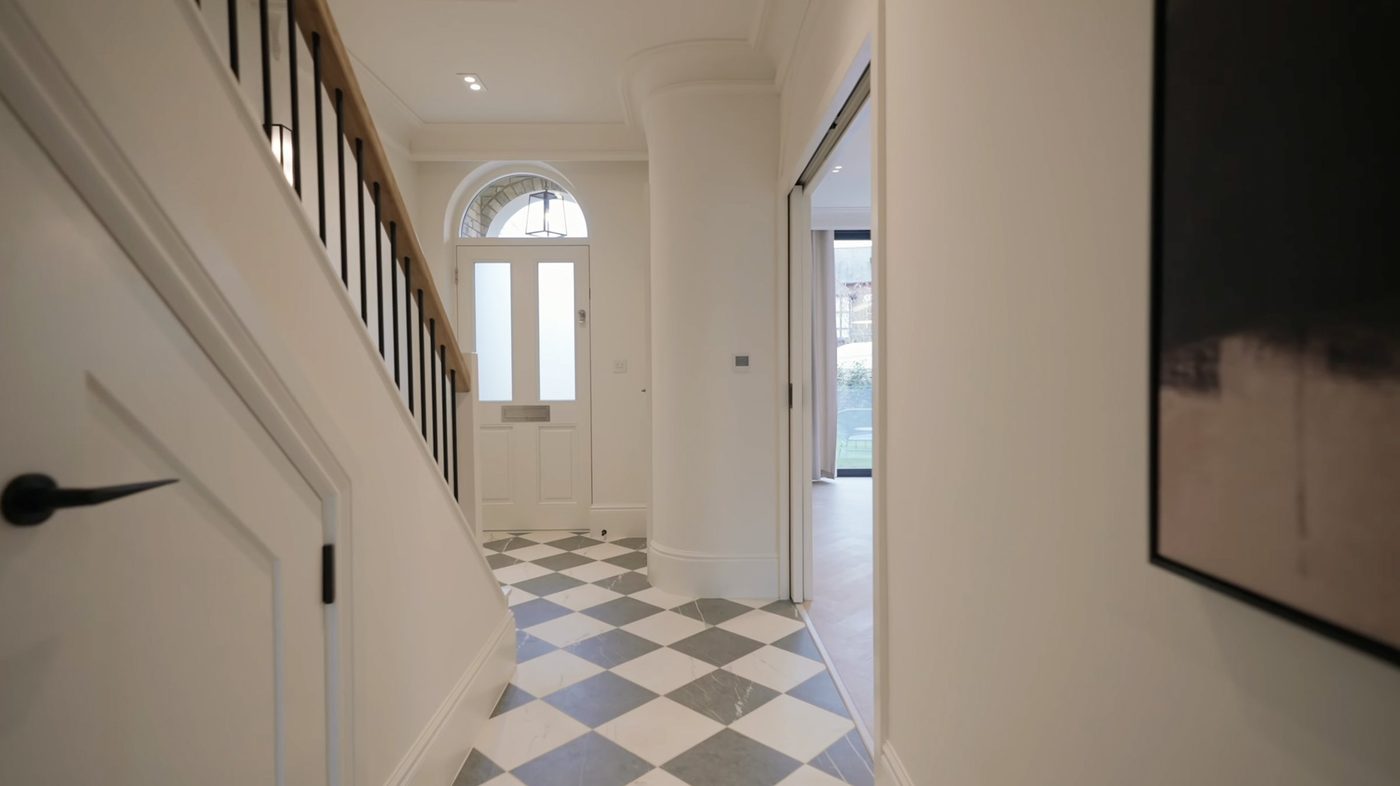
The entrance: disproportionate return on a modest spend
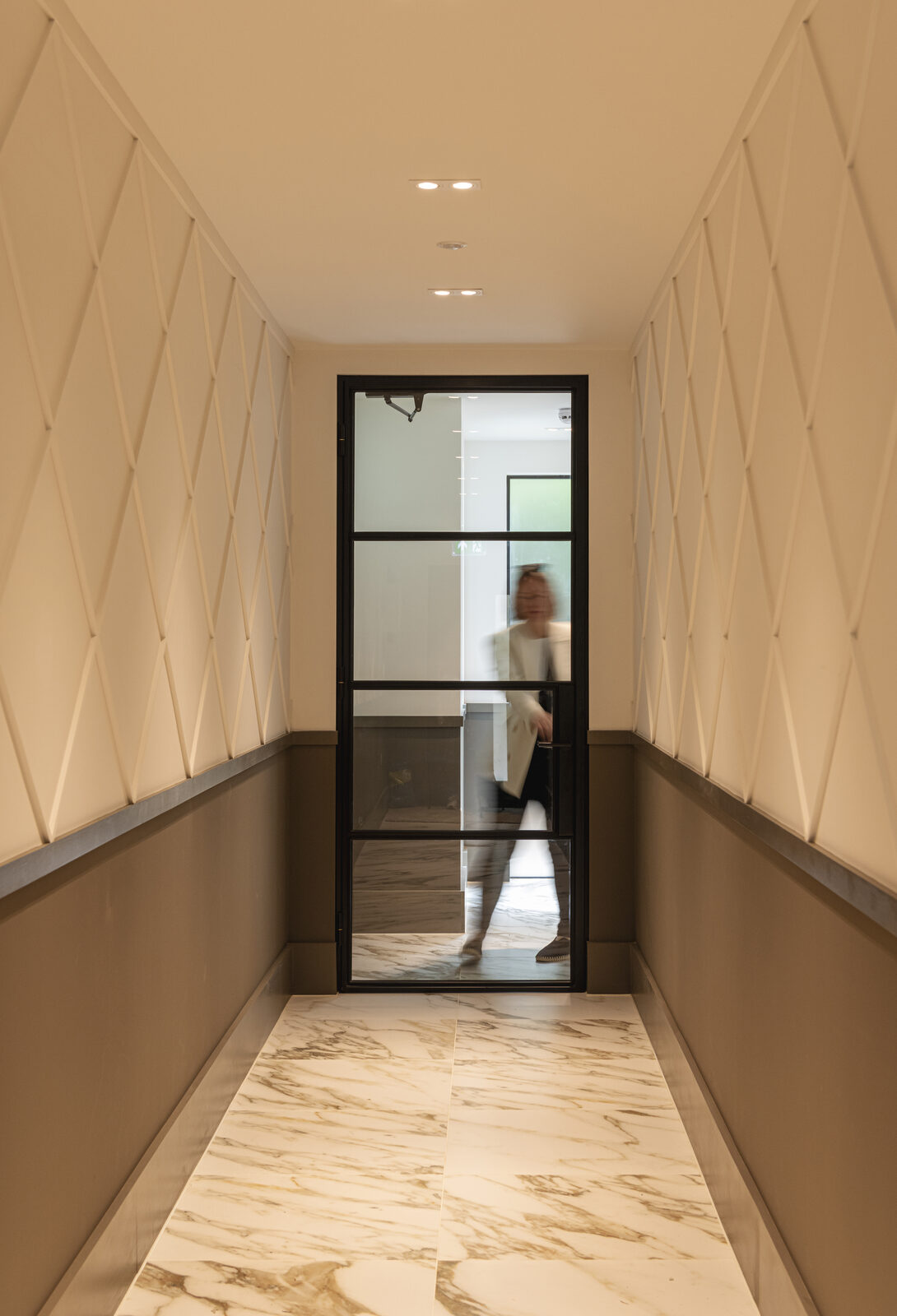
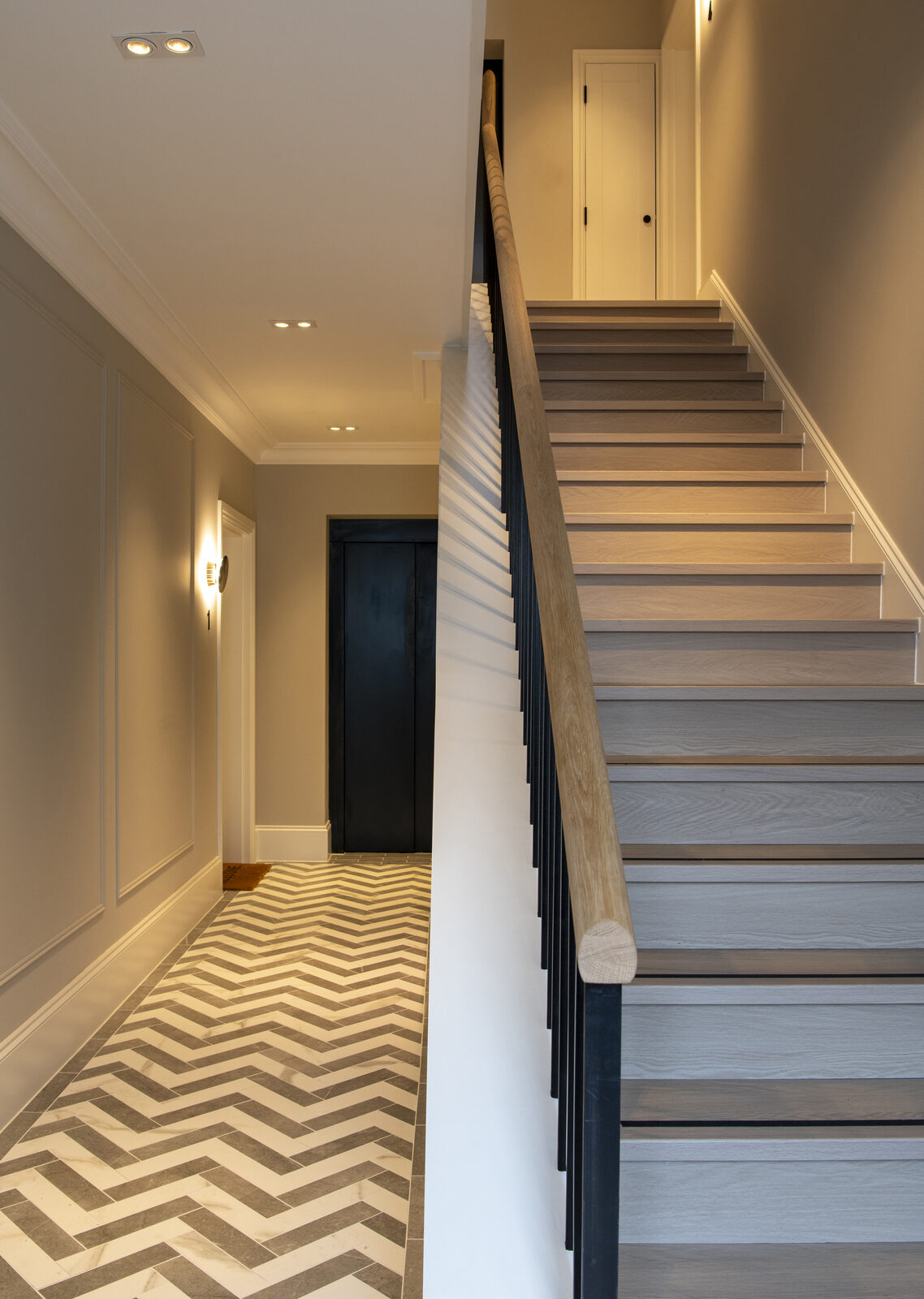
The first thing someone experiences when they walk into a development frames everything that follows. Research shows buyers form their impression within the first 90 seconds of a viewing. A considered entrance — unusual materials, lighting that creates atmosphere rather than just illumination, a well-detailed reception — tells a buyer or tenant that this place was designed, not rushed through. As a proportion of overall build cost, the entrance is a minor line item. As a proportion of how the entire development is perceived and marketed, it’s one of the most significant decisions you’ll make.
Layering detail without layering cost
From the entrance, we build specification in layers. Panelled walls, considered architectural elements like arches, wall and ceiling details, a lighting scheme with depth, or even a different wall colour in the right place. These details signal something that reads as expensive: intentionality. Someone has thought about every surface — this is a design-led home. That distinction is the difference between competing on price and competing on quality.
The same thinking applies in BTR, where communal spaces carry even more weight. Lobbies, lounges, and corridors specified with the same layered approach signal a building that’s been curated. It’s the difference between a tenant who stays eighteen months and one who renews without hesitation.


The same principles apply in BTR — communal spaces are the entrance to the building, and the specification there shapes how tenants perceive every unit above it.
Why specification needs spatial planning underneath it
This is the connection that’s easy to miss. Specification applied to a compromised layout is decoration — it dresses up problems that buyers or tenants may not see past: not enough storage, too-small room sizes, not enough cabinets in the kitchens. But specification applied to an optimised layout amplifies everything that’s already working. The proportions are right, the light is right, the circulation makes sense — and every finish and detail falls naturally into place.
This is why we always start with spatial planning and build specification on top of it. Layout plus considered specification equals developments that feel designed, not just built — and that command prices to match.
If you’d like to explore how spatial planning, specification, and branding could add value to your next project, I’m offering five complimentary design consultations (each worth £600) before the end of March. Book your slot →